Books + hands-on fun for curious kids, ages 3–12
Hand-picked science and art books, with kits, games and free activities to go with them. Browse together here, then buy from Bookshop.org or Amazon.
- 1Pick a worldSpace, dinosaurs, robots and more
- 2Choose a bookPicked by age, read together
- Bonus: something hands-onHands‑on bonusLook for the gold puzzle tag under a book's cover
How things work books for ages 9–12
Featured pick 1 of 3
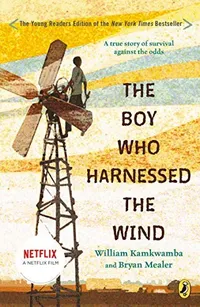
The Boy Who Harnessed the Wind (Young Readers Edition)
William Kamkwamba, Bryan Mealer, Anna Hymas · Ages 10–12
Could you build a windmill from junkyard parts to light your house?
A Malawian teen's true story of building a windmill from scrap during a famine.
Featured pick 2 of 3
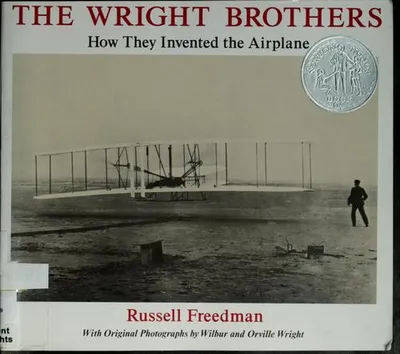
The Wright Brothers
Russell Freedman · Ages 10–12
How did two bicycle mechanics teach themselves to fly?
The Wrights test gliders, keep careful records and fix what fails until they fly. Engineering as trial and error, told with photographs.
Newbery Honor 1992Featured pick 3 of 3
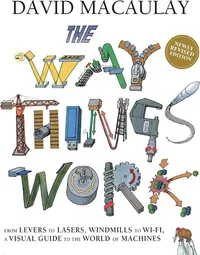
The Way Things Work Now
David Macaulay · Ages 9–12
What's actually going on inside a zipper, a toilet or a smartphone?
The classic cutaway guide, updated: levers to Wi-Fi, each explained with a woolly mammoth. A family book for years
Featured pick 0 of 3
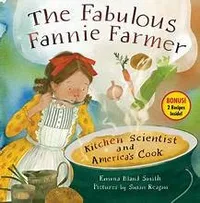
The Fabulous Fannie Farmer
Emma Bland Smith, Susan Reagan · Ages 7–10
Why do recipes say exactly how much of everything to use?
Fannie Farmer treated cooking like science and wrote recipes with exact, level measurements anyone could follow.
Mathical 2025NSTA pick 2025Featured pick 0 of 3
How Was That Built?
Roma Agrawal, Katie Hickey · Ages 6–9
How do you build a skyscraper that doesn't sway in the wind?
A structural engineer walks through famous buildings and bridges with big cutaways.
Featured pick 0 of 3
Copycat
Christy Hale · Ages 6–10
Did a burr really give someone the idea for Velcro?
Each spread pairs a plant or animal, a short tanka poem and a photo of the human design it inspired
Mathical Honor 2025Featured pick 0 of 3
Science encyclopedia
National Geographic Kids Staff · Ages 8–12
What's inside an atom, and can you really smash one?
A big hardcover tour of physics, chemistry and life science for ages 8–12, with experiments to try and profiles of real scientists.
Featured pick 0 of 3
How Things Work
T. J. Resler · Ages 7–10
How does a bounce house stay puffed up?
Photo-heavy and easy to dip into: short spreads on things kids actually use, from microwaves to roller coasters
Featured pick 0 of 3
Frank Einstein and the Antimatter Motor
Jon Scieszka · Ages 8–12
What is everything made of, all the way down?
Silly kid-inventor adventure with real science on atoms and energy tucked into the jokes.
Featured pick 0 of 3
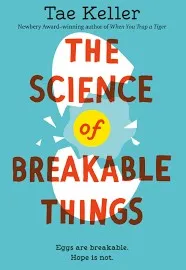
The Science of Breakable Things
Tae Keller · Ages 8–12
Can you build something that keeps an egg from breaking?
A Korean American girl plans an egg-drop entry to help her depressed mother; the scientific method frames the whole novel
Featured pick 0 of 3
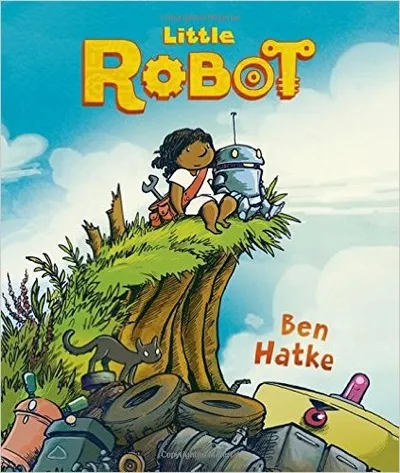
Little Robot
Ben Hatke · Ages 6–9
Can you fix a robot with a wrench and some patience?
A girl with a tool belt repairs a lost robot and has to protect it. Told almost entirely in pictures, so new readers can follow it.
Kirkus Best 2015No featured picks match these filters
Try another age, or choose Both.
Our favorite first picks for ages 9–12
 Could you build a windmill from junkyard parts to light your house?A Malawian teen's true story of building a windmill from scrap during a famine.The Wright BrothersRussell Freedman
 Newbery Honor 1992How did two bicycle mechanics teach themselves to fly?The Wrights test gliders, keep careful records and fix what fails until they fly. Engineering as trial and error, told with photographs.The Way Things Work NowDavid Macaulay
 What's actually going on inside a zipper, a toilet or a smartphone?The classic cutaway guide, updated: levers to Wi-Fi, each explained with a woolly mammoth. A family book for yearsThe Fabulous Fannie FarmerEmma Bland Smith, Susan Reagan
 Mathical 2025NSTA pick 2025Why do recipes say exactly how much of everything to use?Fannie Farmer treated cooking like science and wrote recipes with exact, level measurements anyone could follow.Secrets of a Civil War SubmarineSally M. Walker
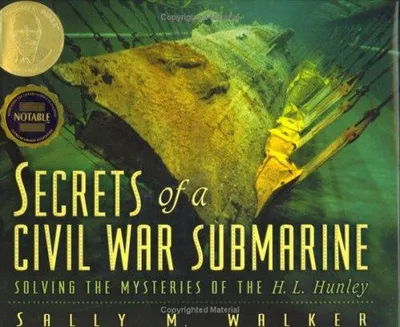 Sibert 2006How do you raise a submarine that sank in 1864?How the H.L. Hunley was built and lost, and how modern teams found it, raised it and studied it. The crew's remains are part of the story.How Was That Built?Roma Agrawal, Katie Hickey
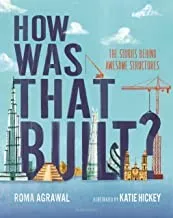 How do you build a skyscraper that doesn't sway in the wind?A structural engineer walks through famous buildings and bridges with big cutaways.CopycatChristy Hale
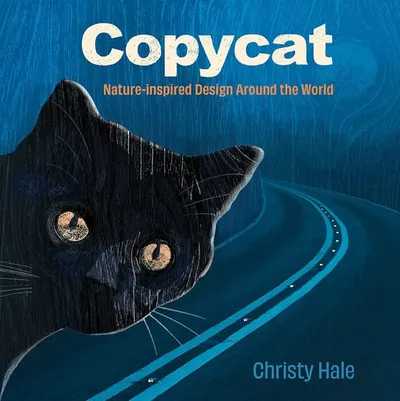 Mathical Honor 2025Did a burr really give someone the idea for Velcro?Each spread pairs a plant or animal, a short tanka poem and a photo of the human design it inspiredScience encyclopediaNational Geographic Kids Staff
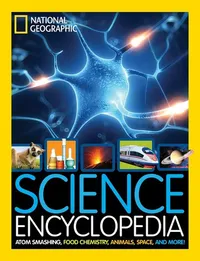 What's inside an atom, and can you really smash one?A big hardcover tour of physics, chemistry and life science for ages 8–12, with experiments to try and profiles of real scientists.Close Up and Far OutMary Auld, Adria Meserve
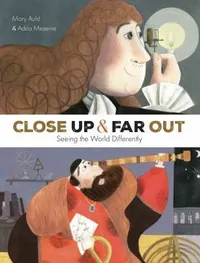 Mathical Honor 2025What did people see when they first looked through a telescope and a microscope?Galileo looked far out at the sky while Leeuwenhoek looked close up at pond water; their stories run side by side.Wild River and the Great DamSimon Boughton
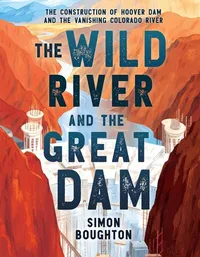 NSTA pick 2025How do you stop a whole river?The building of Hoover Dam, the workers who paid for it, and what it did to the Colorado RiverHow Things WorkT. J. Resler
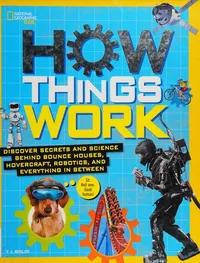 How does a bounce house stay puffed up?Photo-heavy and easy to dip into: short spreads on things kids actually use, from microwaves to roller coastersFrank Einstein and the Antimatter MotorJon Scieszka
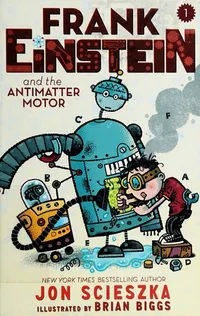 What is everything made of, all the way down?Silly kid-inventor adventure with real science on atoms and energy tucked into the jokes.The Science of Breakable ThingsTae Keller
 Can you build something that keeps an egg from breaking?A Korean American girl plans an egg-drop entry to help her depressed mother; the scientific method frames the whole novelBefore ColorsAnnette Bay Pimentel, Madison Safer
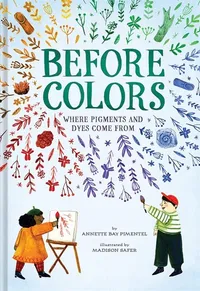 NSTA pick 2024NSTA pick 2024Where did people get purple before there was paint in tubes?The chemistry behind colors: snails, bugs, roots and rocks people crushed, boiled and traded.How We Got to the MoonJohn Rocco
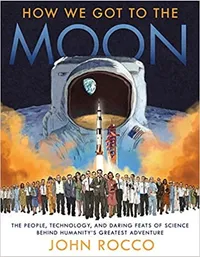 Sibert Honor 2021How did people build a rocket that could reach the Moon?A big illustrated guide to the rockets, suits, computers and people behind Apollo. More engineering than Moonshot, for older kids.The Longitude PrizeJoan Dash
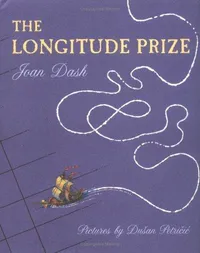 Sibert Honor 2001How could sailors tell where they were in the middle of the ocean?A self-taught clockmaker spends decades building a clock steady enough to find a ship's place at sea.Little RobotBen Hatke
 Kirkus Best 2015Can you fix a robot with a wrench and some patience?A girl with a tool belt repairs a lost robot and has to protect it. Told almost entirely in pictures, so new readers can follow it.The Girl Who Thought in PicturesJulia Finley Mosca, Daniel Rieley
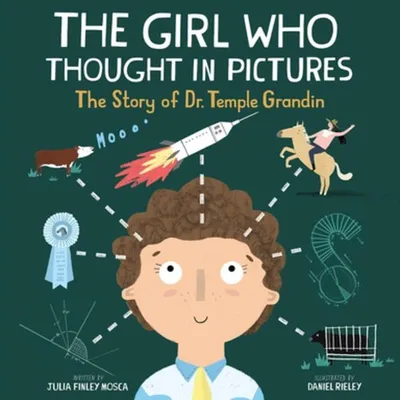 NSTA pick 2018How can thinking in pictures help someone invent?A rhyming life of Temple Grandin, whose autism and picture-thinking helped her design kinder ways to handle farm animals.American WingsSherri L. Smith, Elizabeth Wein
 NSTA pick 2025Who fought for the right to fly when the skies were segregated?Chicago's Black aviators build an airfield and push to integrate flight training.What Is Color?Steven Weinberg
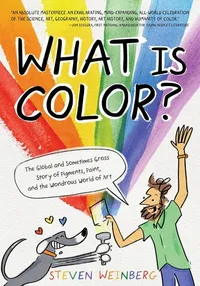 Kirkus Best 2024Where does the color in paint actually come from?A tour around the color wheel through the history of pigments, some smelly, gross or dangerous, and the artists and scientists behind them.
Picture books
Mathical 2025NSTA pick 2025Why do recipes say exactly how much of everything to use?Fannie Farmer treated cooking like science and wrote recipes with exact, level measurements anyone could follow.CopycatChristy HaleMathical Honor 2025Did a burr really give someone the idea for Velcro?Each spread pairs a plant or animal, a short tanka poem and a photo of the human design it inspiredClose Up and Far OutMary Auld, Adria MeserveMathical Honor 2025What did people see when they first looked through a telescope and a microscope?Galileo looked far out at the sky while Leeuwenhoek looked close up at pond water; their stories run side by side.Before ColorsAnnette Bay Pimentel, Madison SaferNSTA pick 2024NSTA pick 2024Where did people get purple before there was paint in tubes?The chemistry behind colors: snails, bugs, roots and rocks people crushed, boiled and traded.The Girl Who Thought in PicturesJulia Finley Mosca, Daniel RieleyNSTA pick 2018How can thinking in pictures help someone invent?A rhyming life of Temple Grandin, whose autism and picture-thinking helped her design kinder ways to handle farm animals.Chapter books
Could you build a windmill from junkyard parts to light your house?A Malawian teen's true story of building a windmill from scrap during a famine.Secrets of a Civil War SubmarineSally M. WalkerSibert 2006How do you raise a submarine that sank in 1864?How the H.L. Hunley was built and lost, and how modern teams found it, raised it and studied it. The crew's remains are part of the story.Frank Einstein and the Antimatter MotorJon ScieszkaWhat is everything made of, all the way down?Silly kid-inventor adventure with real science on atoms and energy tucked into the jokes.The Longitude PrizeJoan DashSibert Honor 2001How could sailors tell where they were in the middle of the ocean?A self-taught clockmaker spends decades building a clock steady enough to find a ship's place at sea.Wild River and the Great DamSimon BoughtonNSTA pick 2025How do you stop a whole river?The building of Hoover Dam, the workers who paid for it, and what it did to the Colorado RiverThe Wright BrothersRussell FreedmanNewbery Honor 1992How did two bicycle mechanics teach themselves to fly?The Wrights test gliders, keep careful records and fix what fails until they fly. Engineering as trial and error, told with photographs.The Science of Breakable ThingsTae KellerCan you build something that keeps an egg from breaking?A Korean American girl plans an egg-drop entry to help her depressed mother; the scientific method frames the whole novelLittle RobotBen HatkeKirkus Best 2015Can you fix a robot with a wrench and some patience?A girl with a tool belt repairs a lost robot and has to protect it. Told almost entirely in pictures, so new readers can follow it.American WingsSherri L. Smith, Elizabeth WeinNSTA pick 2025Who fought for the right to fly when the skies were segregated?Chicago's Black aviators build an airfield and push to integrate flight training.What Is Color?Steven WeinbergKirkus Best 2024Where does the color in paint actually come from?A tour around the color wheel through the history of pigments, some smelly, gross or dangerous, and the artists and scientists behind them.Big books to explore
How do you build a skyscraper that doesn't sway in the wind?A structural engineer walks through famous buildings and bridges with big cutaways.How We Got to the MoonJohn RoccoSibert Honor 2021How did people build a rocket that could reach the Moon?A big illustrated guide to the rockets, suits, computers and people behind Apollo. More engineering than Moonshot, for older kids.Science encyclopediaNational Geographic Kids StaffWhat's inside an atom, and can you really smash one?A big hardcover tour of physics, chemistry and life science for ages 8–12, with experiments to try and profiles of real scientists.How Things WorkT. J. ReslerHow does a bounce house stay puffed up?Photo-heavy and easy to dip into: short spreads on things kids actually use, from microwaves to roller coastersThe Way Things Work NowDavid MacaulayWhat's actually going on inside a zipper, a toilet or a smartphone?The classic cutaway guide, updated: levers to Wi-Fi, each explained with a woolly mammoth. A family book for yearsWhat our badges mean
We add an award or list only after checking the official announcement. The badges are our own designs, not the awards’ logos.
Chosen by science educators and science organizations.
Best STEM Books, Outstanding Science Trade Books, Mathical Book Prize, Green Earth Book Award, Notable Social Studies Trade Books, Cook Prize
The major children’s book awards, winners and honors.
Sibert Medal, Geisel Award, Caldecott Medal, Newbery Medal, Coretta Scott King Book Award, Pura Belpré Award, Schneider Family Book Award
Recognized by toy experts and testers.
Toy of the Year, Best Toys for Kids, Mensa Select, Kinderspiel des Jahres, Parents Best Toys, Good Housekeeping Best Toy Awards, National Parenting Product Awards
Popular with families across the country.
New York Times bestseller, USA Today bestseller, Publishers Weekly bestseller, Indie bestseller
From us: our favorites, things our tester families loved, and teacher picks.
Staff favorite, Kid-tested, Teacher pick, New this season
A publisher or maker sent us a free copy or sample. It never decides what we pick.
Shown on every item where this happened.
Plain facts to help you choose: what the book is like, and what a hands-on item needs.
Great read-aloudWritten by an astronautReal scientist’s storyActivity insideExtra facts at the backPart of a seriesSpanish or bilingualAccessible formatsA classicNGSS connectionsScreen-freeNo batteriesBatteries neededNeeds an appOutdoorsIndoorsAdult helpReusableParts get used up2–4 playersPlay timeNo messClassroom-friendlyEco-friendly materials